
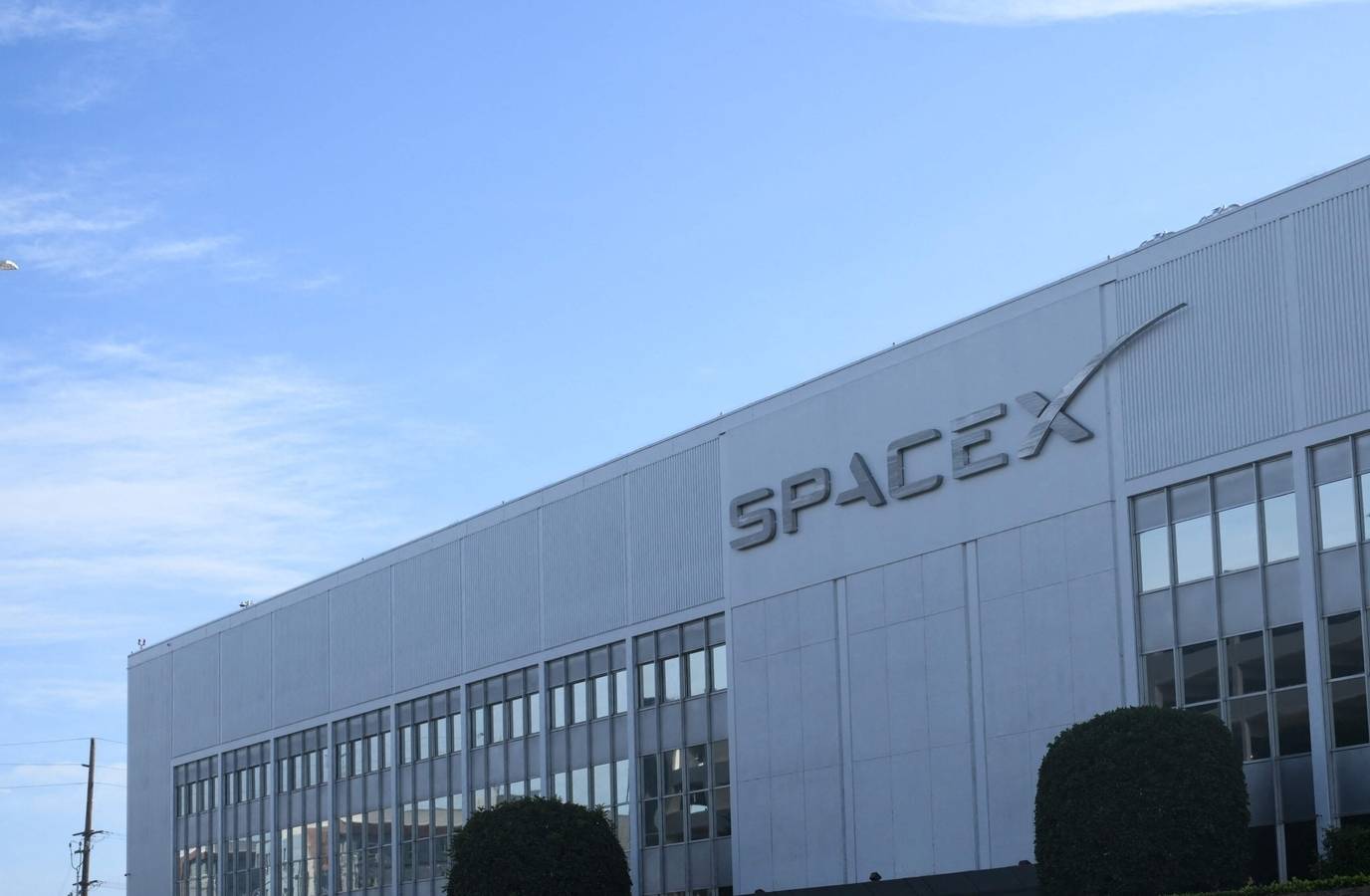
If you grew up in the 2000s, you may remember the hit song 'Passive' by A Perfect Circle. The song painted passive behavior as something frustrating and inactive. Fast-forward to today, and 'passive' has become one of the most popular words in investing. However, thanks to Elon Musk's SpaceX IPO, many Americans are learning that so-called 'passive' investment funds are not completely passive.
Passive investing means investing money in index funds or ETFs that follow a market index like the S&P 500 and keeping those investments for many years. In passive investing, fund managers do not actively pick stocks. Instead, they follow the stocks that are already included in a benchmark index.
The debate around passive investing intensified as Elon Musk's SpaceX moved closer to its expected stock market debut. SpaceX's upcoming IPO has created concerns among some investors because major index providers recently changed their rules in ways that could allow SpaceX to enter key indexes more quickly.
Some investors are unhappy because they feel they have little control over such decisions. However, not every index provider is making the same move. The situation has highlighted an important fact: stock indexes are not natural market measures but products created by people using specific rules.
Index providers use different criteria to decide which companies enter their indexes and how much weight each company receives. These rules can change over time, meaning index construction involves human judgment rather than an entirely automatic process.
Research has found that index funds do not always perfectly match the indexes they track. Funds often have some freedom in how closely they follow an index, and they can and do differ from their benchmark indexes by meaningful amounts.
The popularity of index investing remains enormous despite these concerns. Vanguard's flagship S&P 500 ETF, VOO, recently reached $1 trillion in assets under management.
Experts say the broader lesson is that whether investors choose an active manager or an index fund, they are still trusting someone else to make decisions about how their money is managed.