Bihar Election 2025: Exit Polls to Reveal Fate of Nitish Kumar's NDA on November 12
Exit poll projections for the 243-member Bihar Assembly will be released after voting concludes around 5 pm on Tuesday. | India News
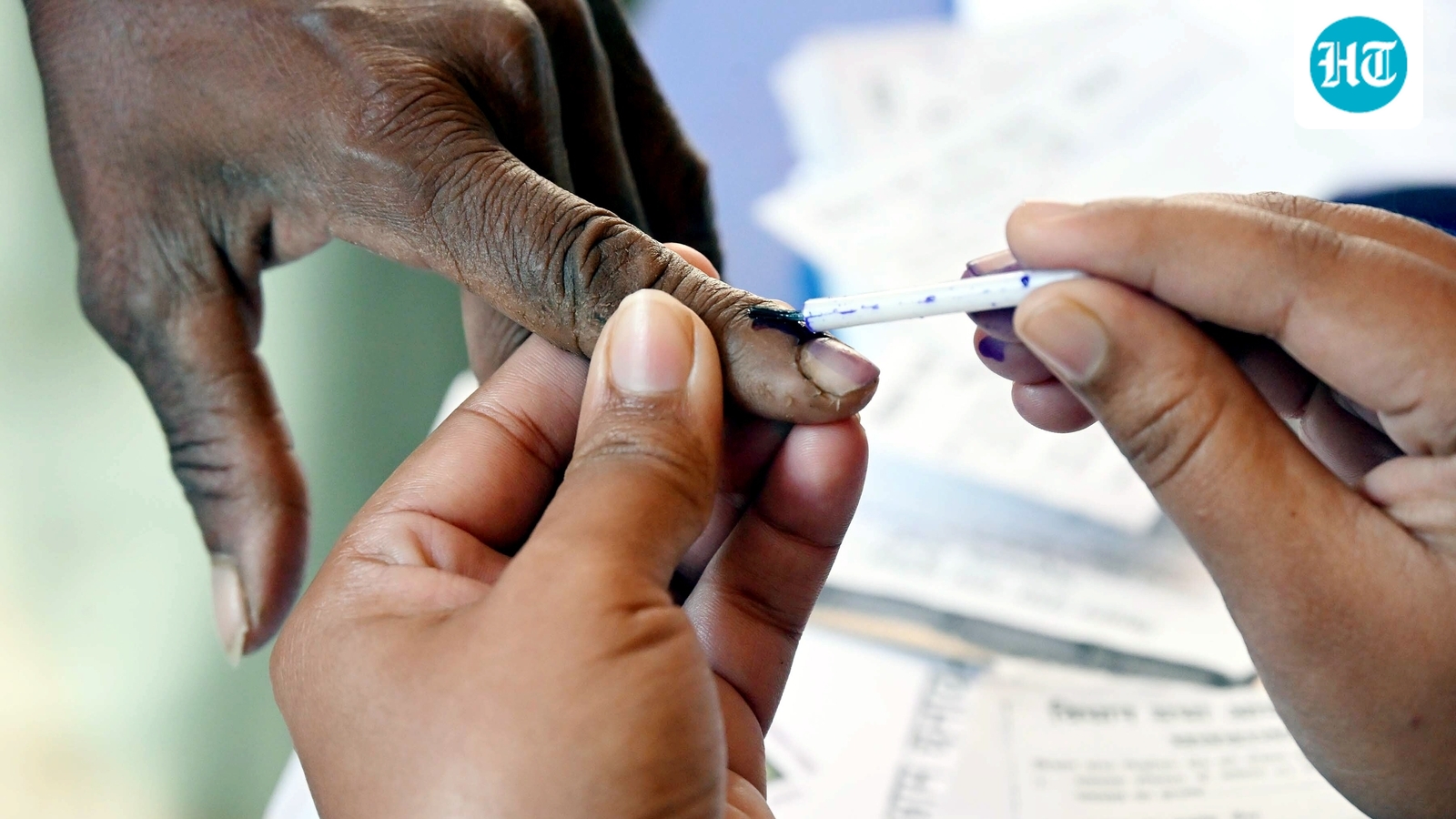
The highly anticipated exit polls for the Bihar Assembly elections 2025 are set to be released after the final phase concludes on November 12. The polls will provide an early indication of which alliance - Chief Minister Nitish Kumar's JD(U)-BJP-led National Democratic Alliance (NDA) or Tejashwi Yadav's Rashtriya Janata Dal (RJD)-Congress-led INDIA bloc - is likely to emerge victorious.
The counting of votes and declaration of results will take place on November 14. To form the next government, a party or alliance needs at least 122 seats. The outcome of the polls will determine whether Nitish Kumar's two-decade-long rule will continue or if Tejashwi Yadav will become the next Chief Minister.
Exit polls are conducted by survey agencies such as Today's Chanakya, Axis My India, CVoter, CSDS, and Times Now. These agencies will release their seat estimates once polling ends. The Election Commission of India bars media outlets and agencies from publishing or broadcasting exit poll results before the final phase concludes.
Viewers can follow the Bihar election exit poll predictions on television news channels, pollster websites, and their social media handles. Hindustan Times will provide live updates, detailed analysis, and live constituency-wise projections on its dedicated Bihar Assembly election page.
Exit polls are conducted immediately after voters cast their ballots, aiming to understand voting behavior and predict possible outcomes. Respondents are asked about their voting choices and demographic details to identify trends. While not always fully accurate, exit polls offer an early sense of voter sentiment and swing patterns ahead of the official results.
The reliability of exit polls depends on factors like sampling method, regional coverage, and voter participation. Unlike opinion polls conducted before voting, exit polls often reflect more realistic trends as they are carried out on polling day. The samples are drawn from both urban and rural areas across regions to represent diverse demographics.