
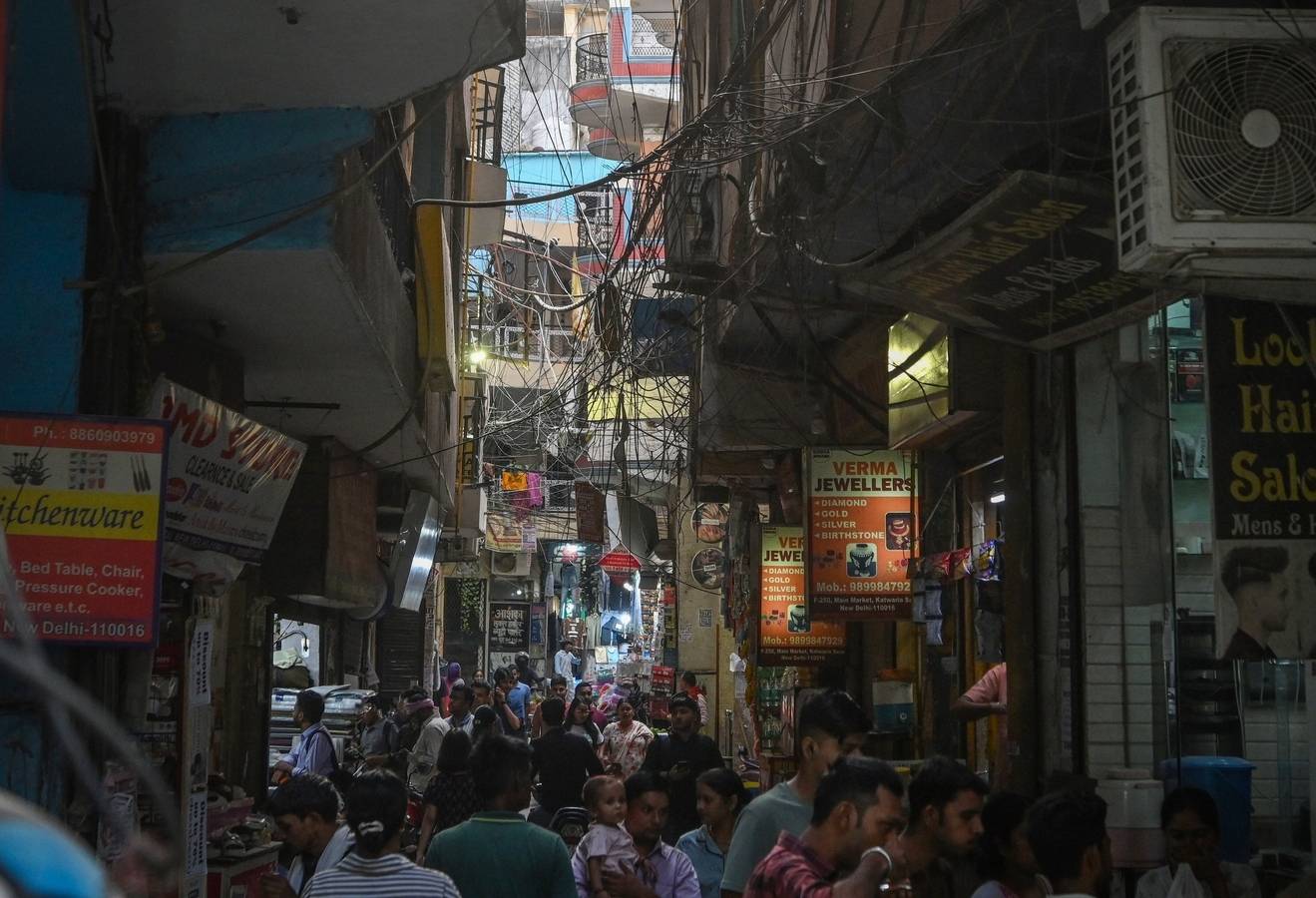
Ishita Chauhan, a 25-year-old MBA student, shares a flat with two women in Katwaria Sarai, a densely populated neighbourhood in south Delhi. The area is a hub for affordable housing, but it lacks basic amenities and safety features. Chauhan's flat is a prime example of the city's housing crisis, which has been decades in the making.
The Delhi Development Authority (DDA) was established in 1957 to manage rapid urban expansion and housing shortages. However, its rigid zoning laws and monopoly over land have led to severe housing shortages, unauthorised colonies, and informal settlements. According to the Shelter Baseline Report, over 60% of Delhi's population lives in unplanned informal settlements.
The report notes that Delhi's planning framework has focused on ownership-based housing, neglecting rental housing, dormitories, and other forms of affordable accommodation. This has led to a parallel city growing alongside the planned one, with unauthorised colonies and commercial activity spreading into residential areas.
Experts argue that the DDA's policies have artificially rationed development, forcing people like Chauhan to live in areas with compromised living conditions and poor infrastructure. The city's housing crisis is a direct consequence of systemic land policy frauds that have consistently bypassed and misled even the Supreme Court.
As Chauhan and her flatmates sit in their cramped living room, they discuss their plans to move out to a safer area. But for now, they are trapped in a system that has failed to provide them with affordable and safe housing.