NDA's Caste Arithmetic Shifts in Bihar Elections: A New Era of Development?
The three smaller partners in the NDA — the LJP (RV), HAM-S, RLM — turned out crucial for the expansion of the alliance’s caste arithmetic | India News
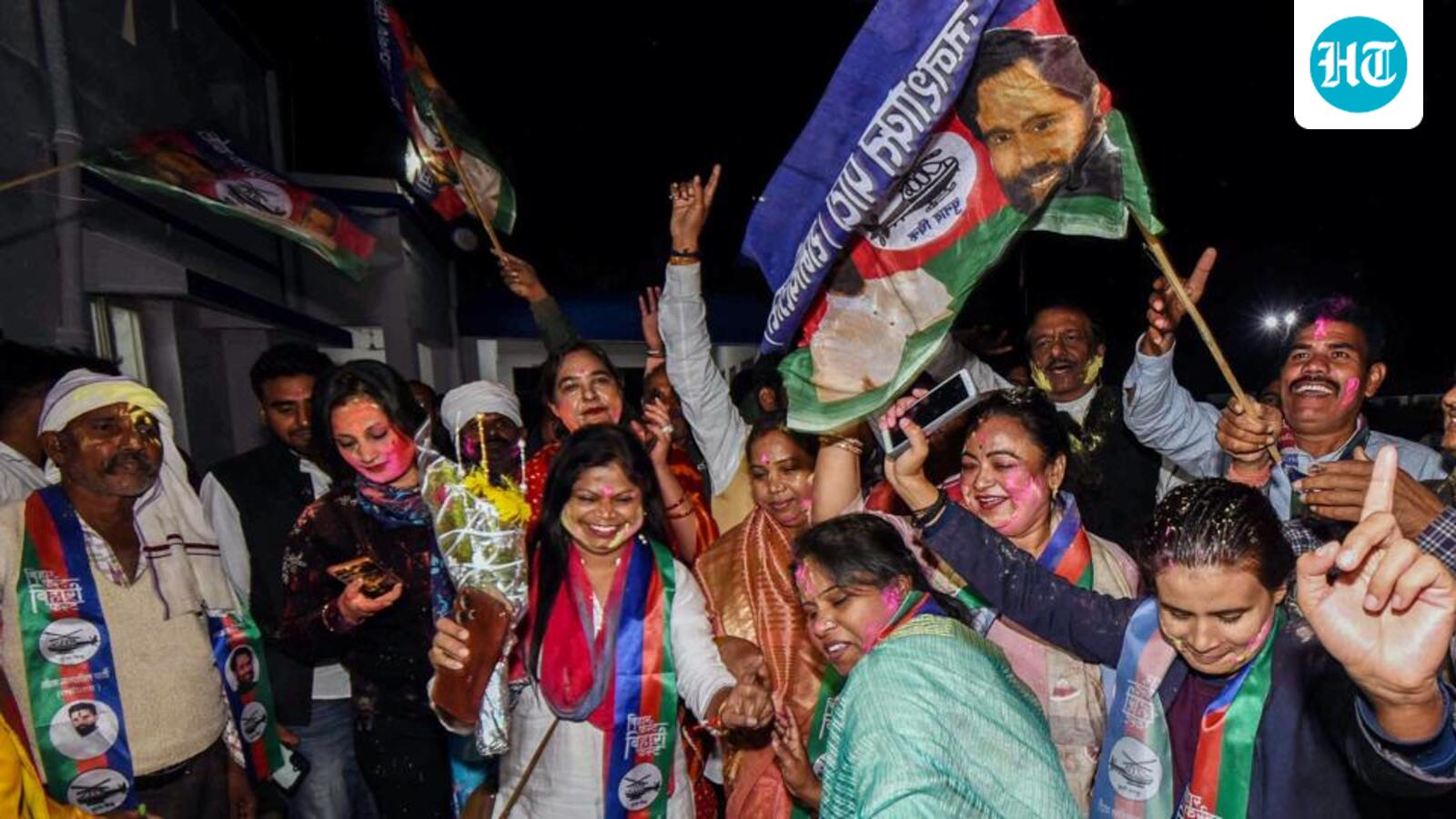
In a significant development, the National Democratic Alliance (NDA) has strengthened its hold in Bihar, thanks to the impressive performance of its smaller regional partners. The Lok Janshakti Party (Ram Vilas), Hindustani Awam Morcha (Secular), and Rashtriya Loktantrik Morcha won a combined 28 out of 40 seats they contested, playing a crucial role in shaping the alliance's caste dynamics in the state.
These parties, which represent key caste groups, have been instrumental in the NDA's victory. The Lok Janshakti Party, led by Chirag Paswan, secured 19 out of 28 seats and has maintained its momentum from the 2024 Lok Sabha elections. In contrast, the party's performance in the 2020 assembly elections was dismal, with just one win out of 147 seats contested.
The Hindustani Awam Morcha, led by Jiten Ram Manjhi, won five out of six seats, while the Rashtriya Loktantrik Morcha secured four out of six. The LJP's performance has helped the NDA tap into Dalit and Extremely Backward Caste pockets, where the Rashtriya Janata Dal (RJD) was once dominant.
Political analysts have praised the LJP's performance, citing its ability to build a strong local base in central and western Bihar. The party's contribution to the NDA's victory has been particularly significant, with many BJP leaders attributing the win to the double-engine government's efforts in the state.
HAM-S leader Jitan Ram Manjhi expressed his gratitude to the people of Bihar for the NDA's overwhelming majority, while Rashtriya Loktantrik Morcha leader Upendra Kushwaha credited the double-engine government and the leadership of Prime Minister Narendra Modi and Chief Minister Nitish Kumar for the victory.
As the NDA is set to sweep the Bihar polls with constituents leading in 202 out of 243 assembly constituencies, the party's president Dilip Jaiswal has emphasized that no party is big or small in the alliance. The NDA's victory is seen as a testament to the party's ability to adapt and evolve, and its commitment to the development of the state.