ZAPOPAN, Mexico—In this upscale suburb of Guadalajara, 89 bags of human remains have been found in the past year, dumped in ravines or dug up from unmarked graves.
A few miles from those macabre discoveries, soccer fans will pour into the volcano-shaped Akron Stadium for the first of four World Cup matches.
Four months after a spasm of cartel violence paralyzed Guadalajara and the surrounding state of Jalisco, Mexican authorities are mounting a multimillion-dollar security dragnet to convince the world the tournament is safe.
Guadalajara is particularly sensitive, located in the namesake state of the Jalisco New Generation Cartel—one of the biggest, most violent organized-crime groups in the country.
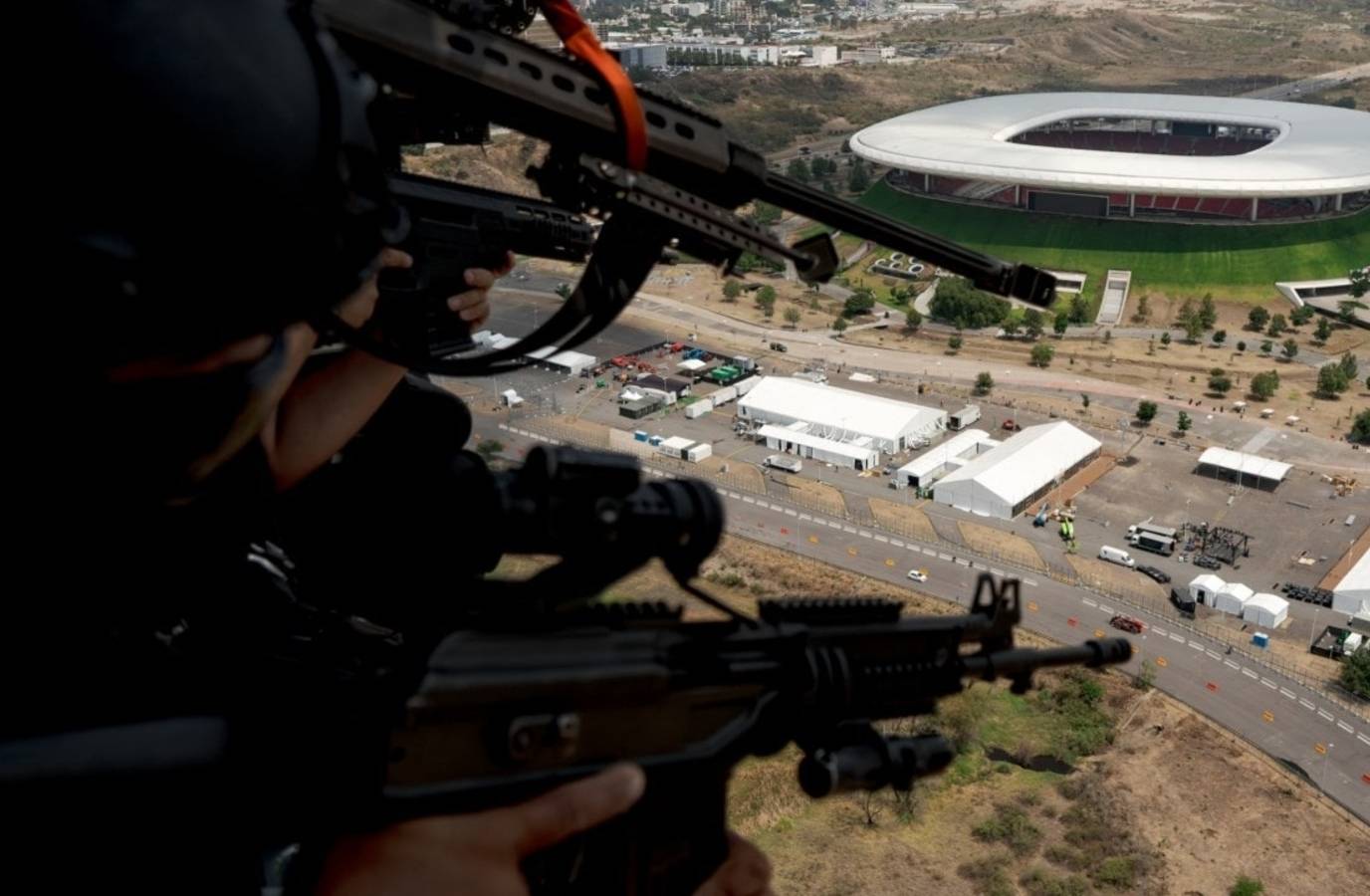
Around Akron Stadium, a wide perimeter has been heavily fenced off. Overhead, a Black Hawk helicopter carrying snipers will patrol the skies, while a fleet of Tesla Cybertrucks on the ground will help anchor an electronic antidrone shield over the venue.
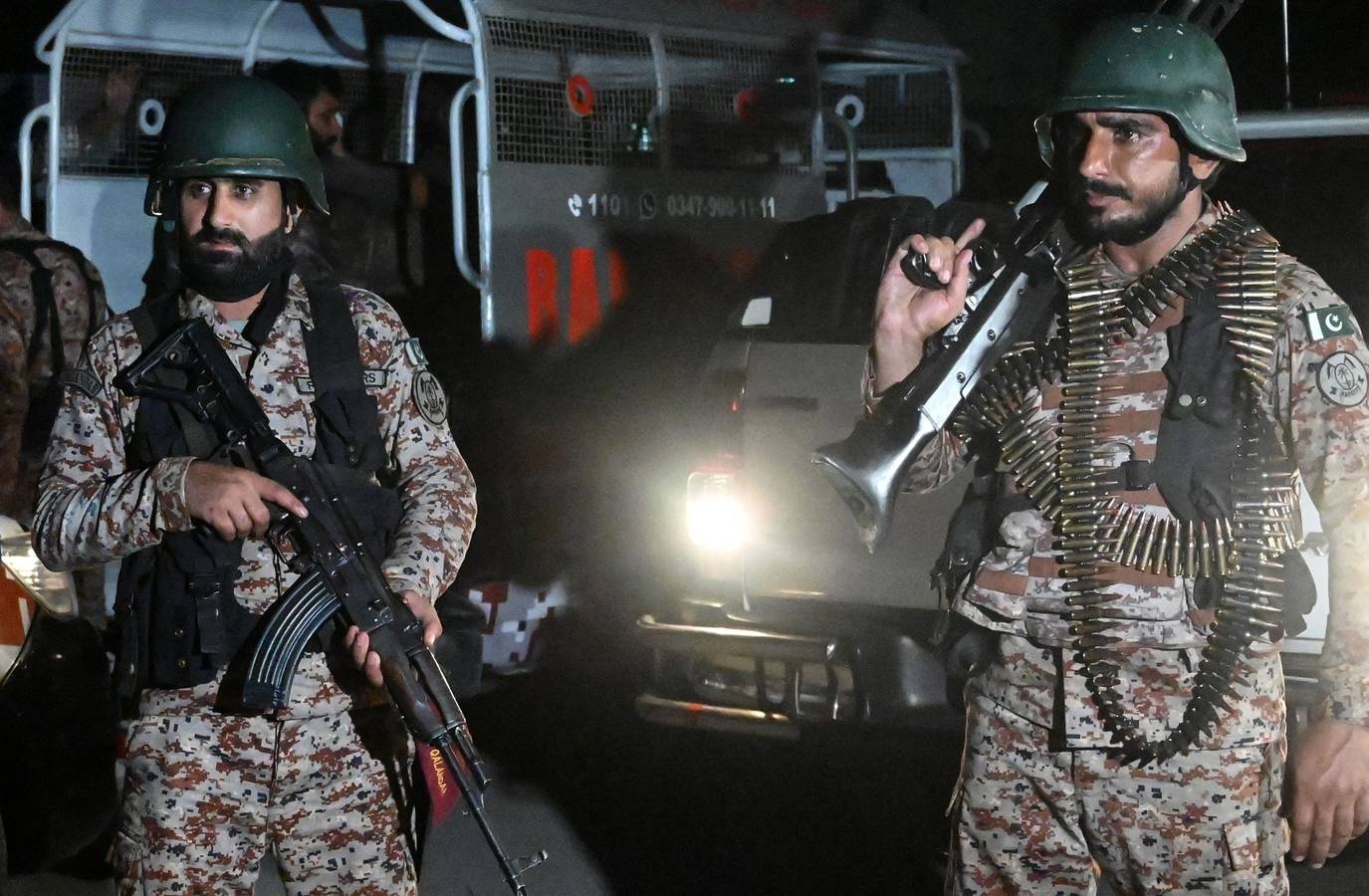
Some 100,000 security personnel are being deployed across the country’s host sites, including Mexico City and Monterrey.
Security analysts say Mexico’s criminal organizations—chief among them the Jalisco cartel, which has a stronghold in Guadalajara—are highly likely to enforce a tactical truce during the tournament, choosing to cash in on the chance to sell drugs and other illicit services to the throngs of soccer fans descending on the country.