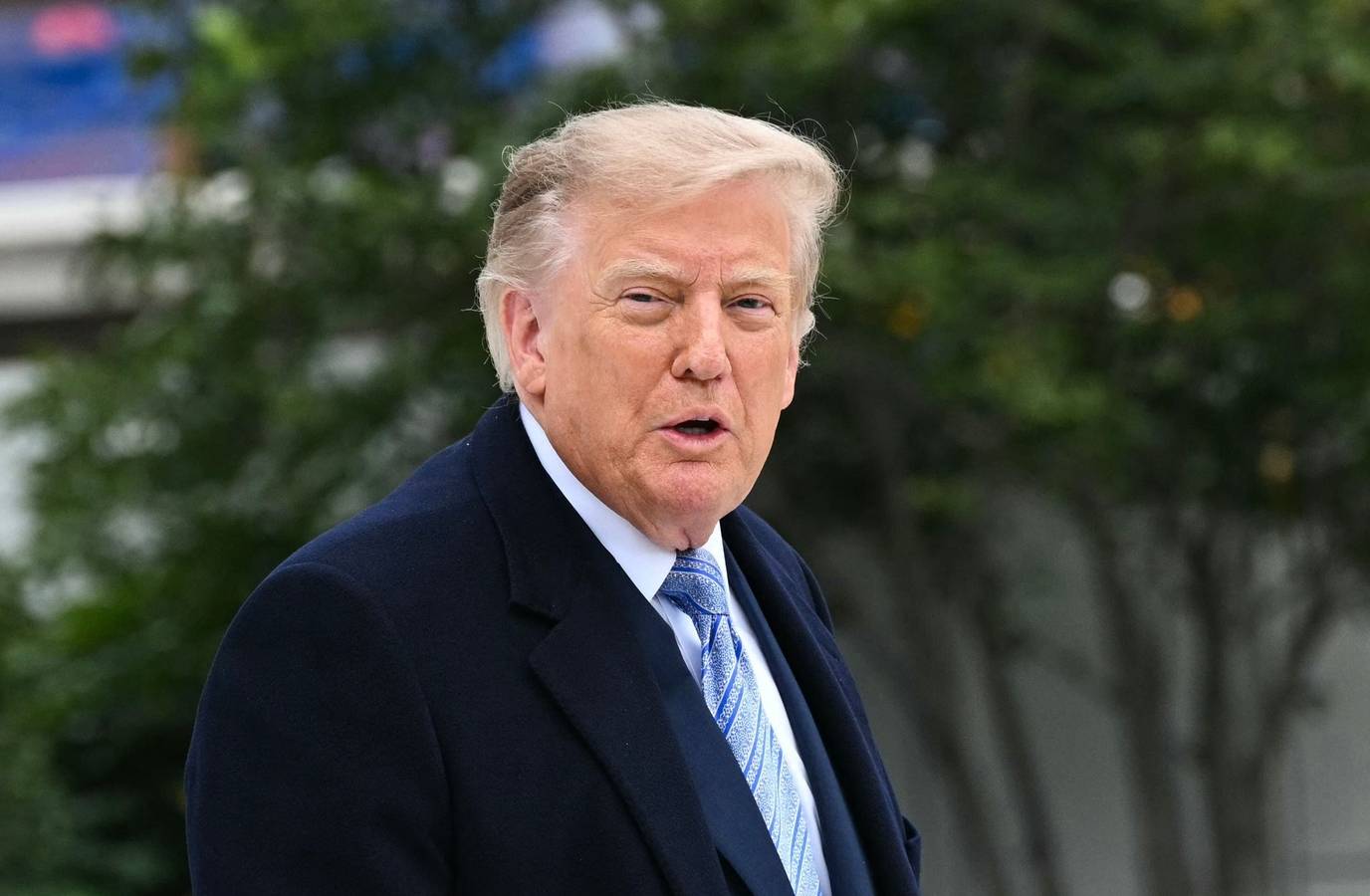
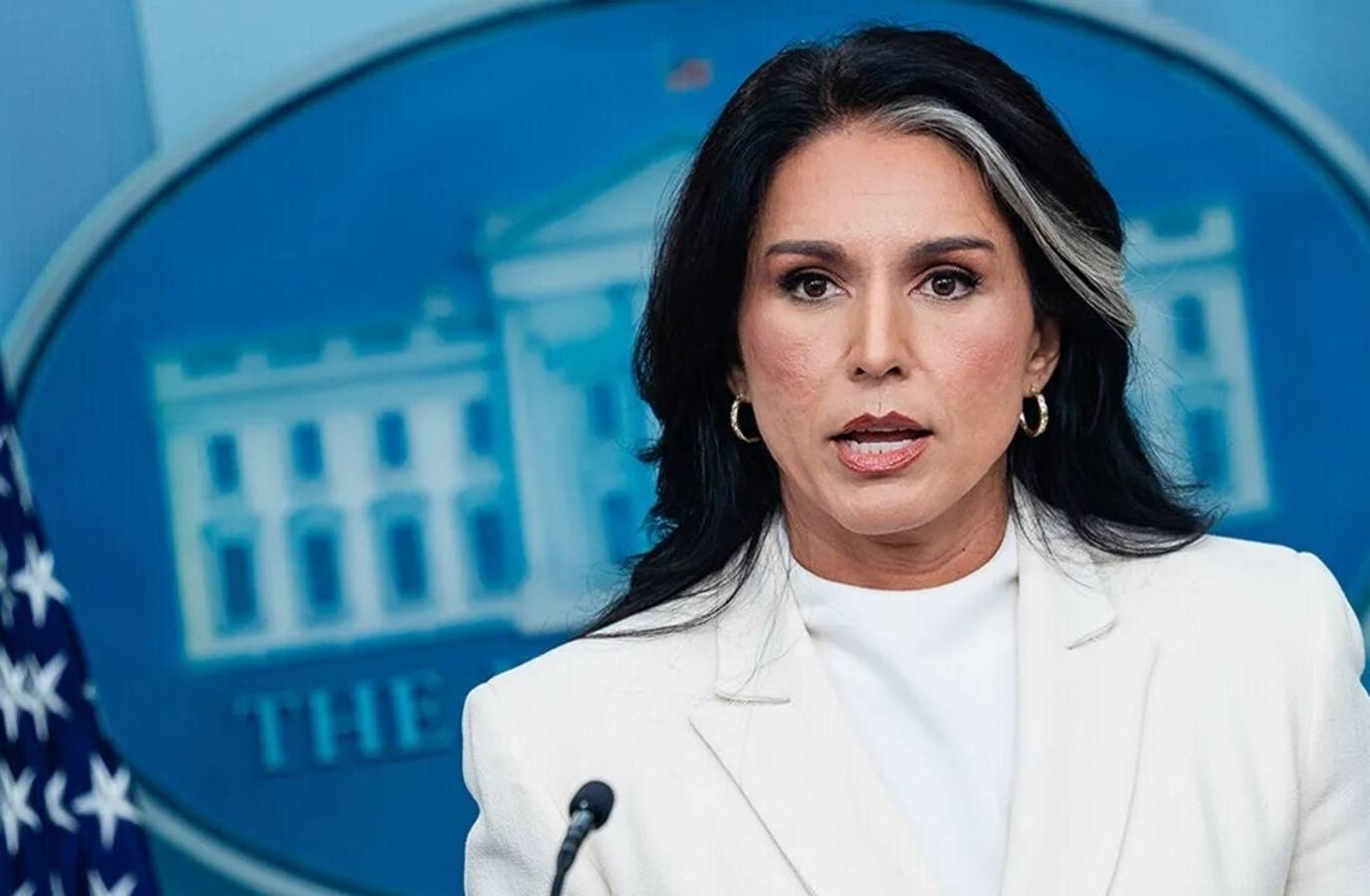
Donald Trump has lost a string of senior officials in the last three months, including the director of national intelligence, Tulsi Gabbard. She cited her husband's cancer diagnosis as the reason for her departure, but her exit comes as Mr. Trump weighs up whether to restart a war on Iran that Ms. Gabbard had long opposed.
Ms. Gabbard, a combat veteran and former congresswoman from Hawaii, was a foreign-policy contrarian who met Bashar al-Assad, Syria's dictator, in 2017 and blamed NATO for Russia's invasion of Ukraine in 2022. She left the Democratic party in 2022 to become an independent and then a Republican, representing the anti-war wing of the MAGA movement.
Her appointment as DNI alarmed many spooks, but in practice, her departure will make little difference to policymaking. She was 'out of the loop' and did not belong to Mr. Trump's core group of advisers on national security and military matters.
Ms. Gabbard remained loyal to Mr. Trump, despite their differences. She told Congress in 2025 that Iran was not building a nuclear bomb, but when questioned by senators in March, she declined to read out parts of her written statement that contradicted the president.
During her tenure, the Office of the Director of National Intelligence (ODNI) shrank in size and strayed into domestic politics in unprecedented ways. Many career intelligence officials are relieved that Ms. Gabbard is gone, citing her lack of qualifications and understanding of the position's responsibilities.
Her resignation is the latest evidence of the waning influence of anti-war figures in Mr. Trump's orbit. By contrast, hawkish officials like Marco Rubio and John Ratcliffe appear to wield greater influence as Mr. Trump considers new attacks on both Iran and Cuba.