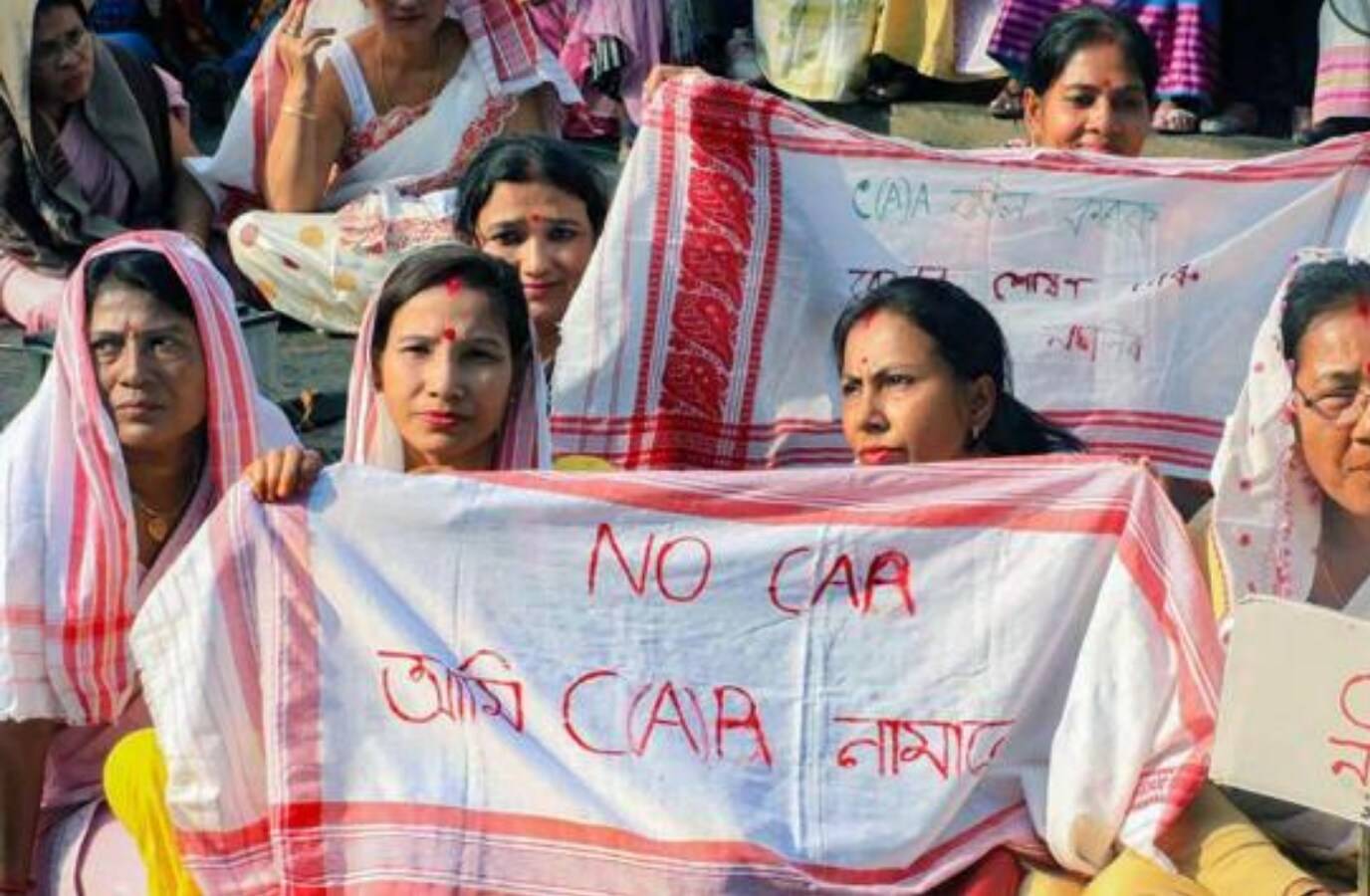
Seven years ago, India witnessed one of its largest protests following the introduction of the Citizenship (Amendment) Act, 2019. The protests began in Assam, where the CAA was deemed a violation of the 1985 Assam Accord.
The Citizenship (Amendment) Act, 2019, was introduced and passed by the Indian government in 2019, granting illegal migrants a path to Indian citizenship. However, certain areas in the North East, such as the tribal areas in Assam, Meghalaya, Mizoram, Tripura, and those under the Inner Line Permit system, are exempted.
Assam and the CAA factor have been closely linked, with protests erupting in the state due to concerns over the impact on the state's culture and identity. The Assam Accord, signed in 1985, set the citizenship cut-off in Assam to March 24, 1971, and guaranteed constitutional, legislative, and administrative safeguards to protect and promote the cultural, social, and linguistic identity of the Assamese people.
As Assam gears up for the polls, the Citizenship (Amendment) Act of 2019 continues to play a key role in the state's politics. The BJP has stood firm on the claim that CAA will strengthen Assam's security and is needed to protect religious minorities, while opposition parties have highlighted violations of the 1985 Assam Accord by the CAA.
Assam will head to the polls in a single-phase election on April 9, with the votes set to be counted by the Election Commission of India on May 4.